
St. Johns, FL Cost of Living: What It Costs to Own a Home in 2026
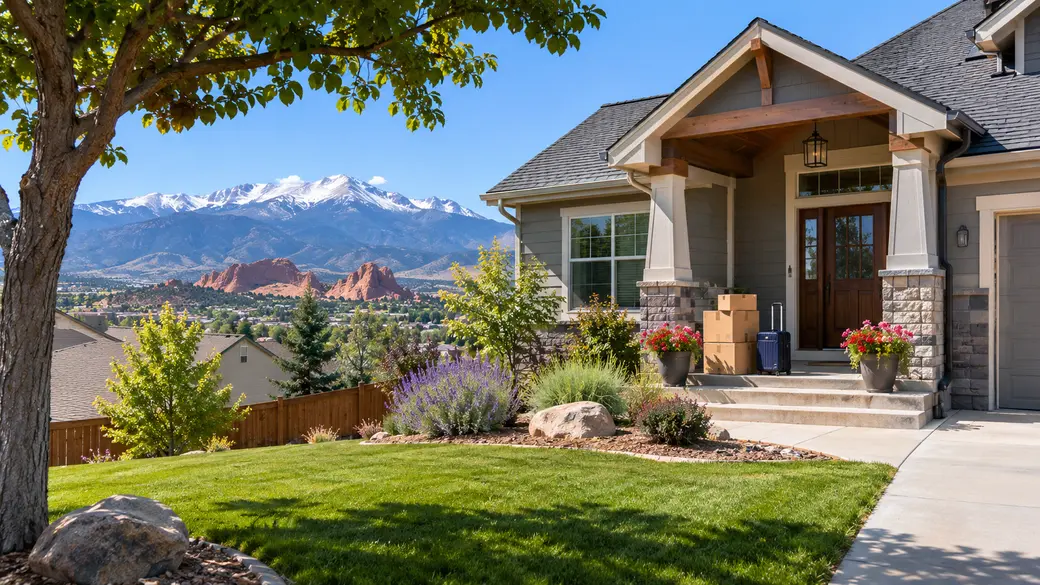
The cost of living in St. Johns goes beyond a home's listing price, with homeowners insurance, property taxes, utilities, transportation, and community fees shaping the real monthly commitment. St. Johns is an unincorporated community in St. Johns County, ZIP code 32259, that includes Julington Creek, so both ZIP-level and county-level figures are useful public benchmarks. For relocating families and professionals, the useful question is not only what a home costs to buy, but what it costs to keep month after month. That means reviewing insurance, projected taxes, HOA or CDD obligations, electricity, commuting, and household spending before selecting a neighborhood.
St. Johns Cost of Living: Quick Facts
The biggest St. Johns budget variables are housing-related costs, especially insurance, taxes, and community fees that differ by address.
- Median household income: ZIP code 32259 had a median household income of $150,736 in the 2020 to 2024 Census estimates, and St. Johns County's was $109,839, providing useful context for local buying power. (U.S. Census Bureau)
- State income tax: Florida does not levy a personal state income tax, which can affect take-home pay for households moving from income-tax states.
- Owner-cost benchmark: Median monthly owner costs for county households with a mortgage were $2,351 in 2020 to 2024, although address-specific costs can be materially higher or lower. (U.S. Census Bureau)
- Homeowners insurance: The average St. Johns County homeowners premium including wind coverage was $2,883 annually as of March 31, 2026, or about $240 per month. (Florida Office of Insurance Regulation, July 2026 report)
- Electricity: Florida's average residential electric bill was $156.09 per month in 2024, with summer cooling often increasing usage in larger homes. (U.S. Energy Information Administration)
St. Johns by the Numbers
ZIP and county benchmarks are a starting point for understanding the St. Johns cost of living, while a specific property's tax record, insurance quote, and community documents provide the final budget.
- Median household income: $150,736 in ZIP 32259 and $109,839 countywide (2020 to 2024).
- Median owner-occupied home value: $533,400 in ZIP 32259 and $489,200 countywide (2020 to 2024).
- Median sold price, last 12 months: $505,000 across 2,156 closed sales in ZIP 32259, ending mid-October 2026 (realMLS).
- Median monthly owner cost with a mortgage: $2,351 countywide (2020 to 2024).
- Average homeowners insurance premium including wind: $2,883 annually in St. Johns County, as of March 31, 2026.
Cost of Living in St. Johns vs Nearby Areas
St. Johns ownership costs should be compared by address and lifestyle, not just by a home's asking price. The Census figures below show where the St. Johns area sits relative to the neighboring county and the state.
| Area | Median value of owner-occupied homes | Median household income | Median monthly owner cost with a mortgage |
|---|---|---|---|
| St. Johns (ZIP 32259) | $533,400 | $150,736 | Not published for the ZIP |
| St. Johns County | $489,200 | $109,839 | $2,351 |
| Duval County | $303,500 | $71,277 | $1,753 |
| Florida | $359,000 | $74,568 | $1,959 |
U.S. Census Bureau estimates for 2020 to 2024. Home values are survey-based and lag current sale prices.
County-level benchmarks are useful for early planning. A home-by-home comparison is more meaningful when deciding between St. Johns homes for sale and nearby communities, because taxes, CDD assessments, and insurance vary by parcel.
Housing Costs in St. Johns: Beyond the Listing Price
The cost of living in St. Johns is usually driven by the complete ownership stack, not principal and interest alone. St. Johns County's median owner-occupied home value was $489,200 in 2020 to 2024, but that is a value benchmark rather than a current sale-price quote. Median monthly owner costs for households with a mortgage were $2,351 during the same period. Over the 12 months ending in mid-October 2026, homes in ZIP 32259 sold at a median of $505,000, so the Census value benchmark and recent sale prices tell slightly different stories.
Property taxes depend on taxable value, exemptions, and the taxing districts serving the parcel. A recently purchased home may be assessed closer to its market value than the seller's prior assessment, so an old tax bill should not be treated as the buyer's future bill.
Homeowners insurance is another major variable. The countywide premium benchmark was $2,883 annually as of March 31, 2026. Roof age, construction features, wind mitigation, deductibles, and replacement-cost estimates can all change an individual quote. Planned communities may also have HOA dues, while many newer master-planned neighborhoods include CDD assessments on the annual tax bill.
Buyers using lower-down-payment financing may have mortgage insurance, depending on the loan program and credit profile.
Taxes: What St. Johns Residents Pay
St. Johns homeowners do not pay Florida personal state income tax or a local personal income tax, but property taxes and sales taxes remain part of the household budget. This can be meaningful for relocating professionals comparing Florida with states that tax wages.
Property taxes are calculated from taxable value after applicable exemptions, multiplied by the combined millage rates that apply to the parcel. St. Johns is unincorporated, so there is no separate city levy, and the 2025 total millage for unincorporated St. Johns County was about 13.47 mills, lower than the roughly 19.5 mills for parcels inside the City of St. Augustine. An eligible primary residence may qualify for the 2026 homestead exemption of up to $51,411, according to the St. Johns County Property Appraiser. The state's Save Our Homes framework also limits annual assessed-value growth for qualifying homesteaded properties after the first qualifying year.
Florida voters approved Amendment 3 on November 3, 2026, and it takes effect in 2027. The homestead exemption on non-school taxes rises to as much as $150,000 in 2027 and $250,000 in 2028. The Florida Department of Revenue's November 2026 bulletin says people who are not Florida residents as of December 31, 2026 receive a smaller initial exemption until the fifth year of exemption, so relocating buyers should plan around that rule. Amendment 3 also lowers the annual assessment cap for non-homestead property, such as a second home, from 10% to 5% on non-school levies.
Florida's general state sales tax rate is 6%, and counties may impose a discretionary surtax. The final sales-tax treatment depends on the purchase and county rules. Property taxes remain the more important address-specific item for most owners because neighborhood taxing districts, exemptions, and CDD obligations can produce different results even between nearby homes.
CDD and HOA Fees in St. Johns
A CDD assessment appears as a separate line on the annual property tax bill, and the amounts vary widely across St. Johns:
- Julington Creek Plantation: $1,385.44 for single-family homes and $845.57 for townhomes in FY2025.
- Durbin Crossing: Roughly $2,245 for 43-foot lots to more than $4,050 for lots 80 feet and wider in the FY 2025-26 schedule.
- RiverTown: Roughly $2,000 to $2,660 per year in the FY 2025-26 schedule.
- No CDD: Whitelock Farms (an equestrian community with listed HOA dues of $2,000 per year) and Bartram Ranch were built without a CDD.
Always request the exact figure for the specific parcel from the county tax record.
Insurance Costs in St. Johns
Insurance is a central part of the St. Johns cost of living because wind exposure, roof condition, and construction details can substantially change the monthly budget. The Florida Office of Insurance Regulation reported an average St. Johns County homeowners premium of $2,883 including wind coverage as of March 31, 2026 ($2,055 excluding wind). That works out to roughly $240 per month as a planning benchmark, not an individual quote. In September 2026, the Office of Insurance Regulation also approved rate decreases for four homeowners insurers covering more than 62,000 policies.
Premiums can vary with roof age, roof shape, opening protection, deductible choices, replacement-cost calculations, and qualifying wind-mitigation features. Newer construction may offer different insurance characteristics than an older resale home, but the actual quote should be reviewed for the address under consideration.
Flood insurance is separate from a standard homeowners policy. A lender may require it for a financed property in a designated flood-hazard area, while buyers outside a required zone may still want to consider drainage, elevation, and prior water exposure, particularly near the St. Johns River and its creeks. Vehicle insurance also belongs in the household budget because St. Johns is car-oriented for most daily routines.
Utilities, Groceries, and Everyday Expenses
Utilities and transportation are recurring St. Johns costs that deserve room in the monthly plan. Electricity is typically the largest utility line item. Florida's average residential electric bill was $156.09 per month in 2024, and summer air-conditioning use can push costs higher in larger homes, homes with pools, or households charging electric vehicles.
Natural gas is not universal because many homes rely primarily on electricity. Water, sewer, irrigation, and internet expenses depend on the provider, the property configuration, and selected service level. Newer communities can also have separate irrigation arrangements or setup costs that should be reviewed before closing.
Groceries are best planned around household size and shopping habits rather than one countywide estimate. Major grocery options in the broader St. Johns area include Publix and Walmart. Transportation is primarily vehicle-based: the county's mean travel time to work was 26.9 minutes in 2020 to 2024, and measured weekday-morning drives from Julington Creek were about 38 minutes to Downtown Jacksonville and 29 minutes to the St. Johns Town Center. Commute direction, school schedules, and work location can make actual drive times quite different from the countywide measure.
Hidden Costs First-Time Buyers Often Miss
The costs that catch St. Johns buyers off guard are usually property-specific, so reviewing the address details early matters.
- CDD assessments: Many newer master-planned communities include CDD charges on the annual tax bill. The amount and bond schedule vary by development and parcel.
- HOA dues: Planned neighborhoods may charge monthly, quarterly, or annual dues for amenities and common-area maintenance. Included services differ by community.
- Insurance deductibles: A lower annual premium can come with a higher hurricane or wind deductible, which changes the household's risk planning.
- Flood coverage: Separate flood insurance may be lender-required for certain financed homes and can also be a voluntary consideration elsewhere.
- New-home setup costs: Window treatments, fencing, landscaping, appliance additions, and utility deposits can add meaningful upfront expenses after closing.
Sample Monthly Budget: Owning a Home in St. Johns
A realistic monthly budget starts with known benchmarks, then adds the address-specific expenses that cannot be assumed from a listing alone.
| Monthly ownership item | Planning figure |
|---|---|
| Mortgage principal and interest, $404,000 loan at 7.11% | About $2,718 |
| Homeowners insurance (county average including wind) | About $240 |
| Electricity (statewide average) | About $156 |
| Property taxes | Based on taxable value, exemptions, and taxing districts |
| HOA fees and CDD assessment | Community-specific |
| Water, sewer, irrigation, and internet | Provider-specific |
| Groceries | Household-specific |
| Transportation | Commute- and vehicle-specific |
Using the $505,000 ZIP 32259 median sold price with 20% down produces a $404,000 loan amount. At a 7.11% 30-year fixed rate, reported by Freddie Mac for November 12, 2026, estimated principal and interest is approximately $2,718 monthly. The full budget should be built around the exact address, not a seller's historical tax or insurance figures.
Income Needed to Live Comfortably in St. Johns
A household buying near the $505,000 ZIP median sold price would need roughly $109,000 in gross annual income for a $2,718 monthly principal-and-interest payment to equal 30% of income. That illustration assumes 20% down and a 7.11% 30-year fixed rate, before taxes, insurance, HOA or CDD charges, utilities, and other obligations.
Once the roughly $240 monthly county insurance benchmark and the $156 statewide electricity benchmark are added, the known housing-related subtotal is already above $3,100 per month. A comfortable income target therefore depends on the property's projected tax bill, community fees, vehicle costs, healthcare coverage, debt obligations, and family spending.
St. Johns County's 2020 to 2024 median household income was $109,839, and ZIP 32259's was $150,736. For relocating households, comparing stable income and total monthly obligations is more useful than qualifying solely around a mortgage payment.
Ready to Run the Real Numbers for St. Johns?
Josh Cotton of the Move Me to Florida Team helps buyers build an honest St. Johns ownership budget before they make an offer, including projected taxes, insurance, HOA or CDD charges, and everyday costs. For relocating buyers, the team can also request tax and association documents and preview homes on your behalf. Call or text (904) 982-8461, email josh@welcomehome904.com, or use the contact page for a no-pressure conversation or a cost-of-ownership estimate for a home you are considering. A mortgage calculator is a useful place to start.
Frequently Asked Questions
Is St. Johns expensive to live in compared to the national average?
St. Johns can require a higher ownership budget than the listing price alone suggests because insurance, taxes, community charges, and vehicle-dependent transportation all add to the monthly commitment. St. Johns County's median owner-occupied home value was $489,200 in 2020 to 2024, and the ZIP's was $533,400, while median monthly owner costs with a mortgage countywide were $2,351.
What are property taxes like in St. Johns?
Property taxes depend on a home's taxable value, exemptions, millage rates, and any applicable CDD assessment. St. Johns is in unincorporated St. Johns County, where the 2025 total millage was about 13.47 mills. Eligible primary residences may qualify for a 2026 homestead exemption of up to $51,411, and qualifying homesteaded properties receive Save Our Homes assessment protections after the first qualifying year.
How much do utilities cost per month in St. Johns?
Electricity is often the largest utility expense, and Florida's average residential electric bill was $156.09 monthly in 2024. Water, sewer, irrigation, and internet costs vary by address and provider, while summer cooling can increase electric usage.
What income do you need to buy a home in St. Johns?
Using the $505,000 ZIP median sold price, 20% down, and a 7.11% fixed rate, the estimated $2,718 monthly principal-and-interest payment suggests about $109,000 in gross annual income at a 30% housing-payment ratio. Taxes, insurance, community fees, and other debts require additional income capacity.
Are there hidden costs buyers should know about before moving to St. Johns?
Yes. Buyers should account for CDD assessments in many newer communities, HOA dues, homeowners insurance deductibles, possible flood coverage, and post-closing setup expenses. An address-specific review helps identify these costs before an offer is submitted.
Categories
Recent Posts
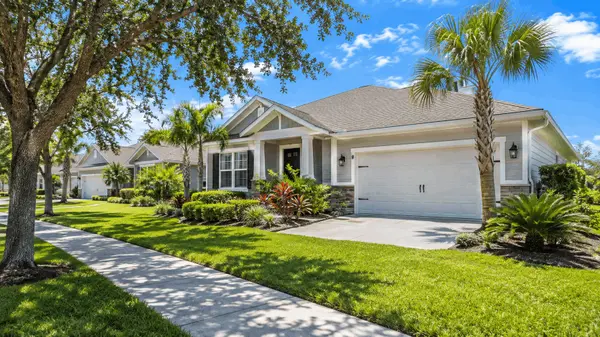

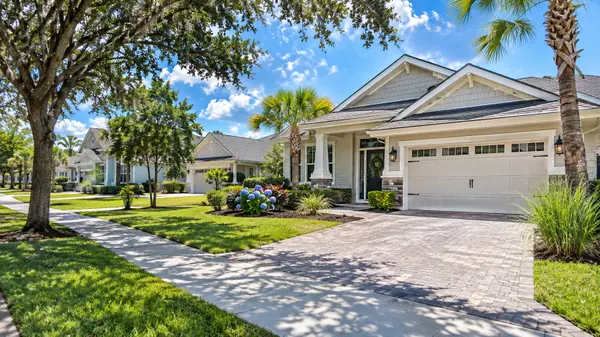





I'm Josh Cotton, a Northeast Florida Realtor with the Move Me to Florida Team at Round Table Realty. I specialize in helping buyers, sellers, and relocating clients navigate St. Johns County, Nocatee, Ponte Vedra Beach, St. Augustine, and Jacksonville, with expertise in residential sales, new construction, and luxury real estate.
With over 7 years of experience, 320 transactions and over $200 million in closed sales, I bring a wealth of experience, firsthand local knowledge, strategic insight, and personalized guidance to every real estate journey.